Monday, December 9, 2019

Baudhik about Ram Janmabhumi Movement


Bouddhik: Ram Janmabhoomi Aandolan:

Ram + Janma + Bhumi + Andolan :

Why it is important?

Ram is the true reflection of Indian Philosophy. Dharma is an Indian only terminology. “Ramo Vigrahavan dharma”… Every perspective of Dharma which a human intellect can think up is there in Ram. Talk is incomplete if we talk about Ram without mentioning Indian Philosophy. It is such a philosophy and Civilization which has gone beyond human intellect. This is the only civilization which has understand the Cosmos bit by bit and as a whole. Just giving an example just consider our Language, Each faculty of the human mouth us being used to utter our alphabet system that is not true for English language.
Giving some example of going beyond human intellect, Let’s say An ideal tree? What can be an ideal tree? Which can give fruit, leaf, life, water, any boon, god…..We had Vatbrukshya…… Ideal Cow ?  Kamadhenu……..Ideal flight – Puspakavimana. Ideal Man (Purushottama – Sri Ramachandra). All the quality a human intellect can think of for an ideal Purusha is there only with Sri Ramachandra nobody else. Such is Maryada0-purushottama -Sri Ramachandra.
He is the real master who can elevate himself such a level that he can talk to Animals (It is very much possible even today, it is one level of intellect vs another…. Human intellect vs subhuman intellect…. If you are already in an upper level then we should able to understand the lower level intellect….), partnership with them, stay in Jungle….

We are fortunate that he was born in this earth, that to the piece of land where we are sharing with. Bharatha ..…. Ratnakara dhautapadam..himalaya kiritinim…..Brhmarajasyaratnyadhyam…vande bharatamataram.

He born in Ayodhya of this sacred land. He roamed each and every place in Bharath…where he could not visit, he made sure that his team visited.  He is the force behind our unity. He made sure that  we all are connected not only through geographically, but also spiritually, intellectually, culturally, ethically and so on.

His Janamabhumi Ayodhya: Educationally people know that that is his janmabhumi, Spiritually also it is his janmabhumi….however we reached to an era where even my grandfather and grandmother also needs a marriage certificate unless that……


Movement: Andolon , samuhik sangharsh to get some positive change in something, which is spontaneous (Swatah-spurtha)…Seeing any wrong doing and everybody have concerned for that. Everybody will come out to support that. RJB Movement has been like that.


·        1528 AD, Mir Baki, the Commander-in-Chief of Babur destroys the Shri Rama Janmabhoomi Temple at Ayodhya.
·        76 Battles that have been fought from 1528 till 1934 by several generations of Hindus to reclaim the Shri Ram Janambhoomi temple. Cannot we call this as a people’s movement?  Each generation did whatever they could to take the movement forward
1528 –1530 AD
Babur’s rein
4 battles
1530 – 1556 AD
Humayun’s rein
10 battles
1556 –1606 AD
Akber’s rein
20 Battles
1658—1707 AD
Aurangzeb’s rein
30 Battles
1770—1814 AD
Nawab SaadatAli’s rein
5 battles
1814 —1836 AD
Naseeruddin Haider’s rein
3 battles
1847 –1857 AD
Wajid Ali Shah’s rein
2 battles
1912 till 1934 AD
British regime
2 battles

·        The year 1934:  After a few Muslims slaughtered a cow in Ayodhya, a pitched battle ensued between the Hindus and Muslim.
o   The butchers who had slaughtered the cow were decimated
o   Subsequently the Hindu society attacked the Babari structure thereby damaging all its three domes
o   They took possession of the Babari structure.
o   However, Britishers forcibly took back the Babari Structure from Hindu Society.
o   Imposed a penalty on Hindus to carry out repair work of the damaged domes.
o   Since 1934 no Muslim has ever dared to enter the premises of Babari structure.

Is the Shri Ram Janmabhoomi a political movement?
·        A temple at the Shri Ram Janmabhoomi is not an issue of mere bricks and mortar.
·        Issue of our cultural resurgence and identity. To restore honor of the nation and its culture.
·        Shri Rama, as Maryada-purushottam, has a prime place of importance. People take great pride.
·        The movement is an expression of the collective consciousness of the Hindu ethos.
·        This signify their glorious past.
·        Is this a political movement? We are from a culture which believes  राज्यं राजाऽसीन्न दण्डयो दाण्डिक: |
धर्मेणैव प्रजास्सर्वा रक्षन्ति स्म परस्परम् ||

Should the Muslim be upset and sad for the Babri Structure demolish?
·        A true Indian Muslim should not consider this as a Holy place. Else they end up owning the barbarism of Babur and others like him. The right way for Muslims is to distance themselves away from such vandalism and barbarism of the past.
·        When the Germans are asked to apologies for the crimes of Hitler, they do not hesitate to do so, clearly indicating that they do not own Nazism.
·        Hindus have asked for a peaceful return, through judiciary and negotiations, of only three of their holy sites (Ayodhya, Mathura and Kashi) that were vandalized. Hindus are not asking for thousands of other temples that were plundered, looted, destroyed and mosques were built thereupon.
What has been the case with similar historically vandalized sites?

·        In 1918 in Warsaw, Poland, At the end of first Russian occupation of Poland for 300 years (1614-1915),
o   One of the first things that Polish people did was to bring down the Russian Orthodox Christian Cathedral/church that was built by Russians in the center of the town.
o   This was done despite the fact Poles are Christians by faith and Jesus Christ was worshipped in that Cathedral/church.
o   The Poles demolished the Church built by Russians because they viewed the Cathedral not as a place of worship rather a structure that reminded them of their slavery.
·        Around the 12th century in Spain,
o   Spain was conquered by Moors and the people were forcibly converted from Christianity to Islam.
o   In the 16th century, when Christians recovered the whole of Spain from Moors they gave Muslims in their country only three choices—reconvert to Christianity,leave the country along with the Moors, or be killed.
o   All the Muslim places of worship were converted back to Christian churches. This re-Christianisation was also done with force.

·        Shri Kameshwar Chaupal of Bihar had the honour of laying the foundation stone of Shri Ram Janmabhoomi temple on November 10, 1989.
o   Person who belonged to the Vanchit Varg  - हिन्दव:सोदरा: सर्वे, हिन्दू: पतितो भवेत्!
o   It is a clear sign of the immense unifying power of the Shri Ram Janmabhoomi movement.
o   युग के साथ मिलके सब कदम बढान सीख लो
एकता के स्वर में गीत गुनगुनाना सीख लो
भूल कर भी मुख में जाती-पंथ की बात हो
भाषा प्रांत के लिये कभी रक्त पात हो

Archaeological evidence by Archaeological Survey of India (ASI):
·        After extensive excavations has established it beyond doubt that there did exist a grand temple at the Shri Ram Janmabhoomi site that was razed down to build Babari structure.

Literary Evidence:
·        Sanskrit Literature
o   Several Sanskrit epics, Purans, Upanishads, poetries and religious scriptures from the time of Maharishi Valmiki till modern days have numerous instances that Ayodhya is the birth place of Shri Ram.
o   Epics— Valmiki Ramayana, Ram Upakhyan of Mahabharat (Van Parva), Yog Vasisth, Adhyatma Ramayan, Raghuvamsh etc.
o   Poetries:- Ramgeet-Govind, Geet Raghav, Ram Vilas, Ram Ashtak etc.
o   Dramas:- Pratima, Abhishek, Uttar Ramcharit, Hanumannatak, Prasanna Raghav, Ramabhyudaya etc.
o   Akhyan:- Bruhat Kathamanjari, Champu Ramayan, Katha Saritsar etc.
o   Purans:- Vishnu, Brahmand, Vayu, Koorma, Padma, Skanda, Narad etc.
o   Upanishads:- Ramottar Tapaniya, Ram Rahasya etc.
o   Other Religious Scriptures:- Jaiminiya Ashwamedh, Hanumat Vijaya, Hanumat Sanhita, Bruhat Koushal Khand etc
·        Books by Muslim Writers
o   Sahifa-e-Chahal Nasa-ih-Bahaddur Shahi : by the daughter of Alamgir, son of Bahadur Shah (End of 17th century and beginning of 18th century) : The Masjids, which have been built on the basis of orders of Badashah (Ba Farman-e-Badashahi) are not permitted to hold Namaz prayers, nor to read the Khutba therein. The Hindus (Kufr) have lot of faith in the Hindu temples situated in Mathura, Benaras, Avadh etc. Like the birth place of Kanhaya, Sita Rasoi (kitchen), Hanuman Sthan, where he had sat in the proximity of Shri. Ramachandra on return after the Lanka victory. All these places were destroyed and Mosques were built on those spots only with a view to display the Islamic power. These Masjids have not been given the permission to hold Juma and Jamiyat (Namaj offered on Juma). But it was made mandatory not to worship any idols in them nor should any sound of conch shells be allowed to fall on the Muslim ears…
o   Hadika-e-Shahda by Mirzha Jan – 1856 : Mirza Jan, who claims that he has studied various ancient sources indepth, asserts in his statements that the earlier Sultans did encourage the propagation and glorification of Islam and trampled the non-believers (Kufr) i.e. Hindu forces. Thus they redeemed Faizabad and Avadh of this mean tradition (Kufr) …… This (Avadh) was a very big centre of worship and the capital city of the kingdom of Ram’s father. There was a majestic temple on the spot a huge Musjid was constructed there on and a small canopy Mosque (Kanati Masjid) on the spot, where there was a small Mandap. The Janmasthan temple was the original birth place (Maskat) of Ram. Adjacent to it, there is the Sita Rasoi. ……Sita is the name of Ram’s wife. Hence Badashah Babar got constructed a tall (Sarbuland) Masjid on that spot under the guidance of Moosa Ashikan. The same Mosque is known as Sita Rasoi till today.
o   Fasana-e-Ibrat: by Mirza Rajab Ali Baig Sarur During the regime of Badashah Babur, a grand Mosque was constructed on the site pertaining to Sita Rasoi in Avadh. This was the Babari Masjid. Since the Hindus were not strong enough to oppose, the Masjid was constructed under the guidance of Sayyad Mir Ashikan…..
o   Gumgasht-e-Halat-e-Ayodhya Avadh : by Moulavi Abdul Karim (Imam of Babari Musjid) – 1885 While giving details of the Dargah of Hazarat Shah Jamal Gojjari, the author writes that there is Mahalla Akbarpur on the east of this Dargah, whose other name is Kot Raja Ramachandra also. There were some Burz (Large cells with domes) in this Kot. There were the house of birth (Makan Paidaish) of the above mentioned Raja (King) and the Rasoi (Kitchen); besides, the western Burz and this premise is presently known as Janmasthan and Rasoi Sita. After demolishing and wiping out these houses (i.e. Janmasthan and Sita Rasoi), Badashah Babar got constructed a grand (Ajim) Masjid on that spot.
o   Tarikh-e-Avadh : by Allama Mohammed Nazamul Ghani Khan Rampuri – 1909 Babar constructed a grand Mosque under the protection of Sayyad Ashikan on the very same spot where once stood the temple of Janmasthan of Ramachandra in Ayodhya. Just adjacent to it stood the Sita Rasoi the date of Mosque construction is Khair Banki (Al Hizri 923). Till today this is known as Sita Rasoi. That temple stands just beside this…..

o   The names of the books written by some other Muslim authors which have the quotations confirming the construction of Masjid after destroying the temple are as follows:-
§  * Zia-e-Akhtar : by Haji Mohammed Hassan – 1878
§  * Kesar-ul-Tawarikh or Tawarikh-e-Avadh Vol.II : by Kamaluddin Hyder Hussain Al Hussain Al Mashahadi.
§  * Asrar-e-Haqiqat : by Lachhami Narayan Sadr Kanongo Assistant of munshi Moulavi Hashami
§  * Hindostan Islami Ahad : by Moulana Hakim Sayid Abdul Hai – 1972


Works and Reports by foreign authors
1. History and Geography of India : by Joseph Typhentheller – 1785
Babur constructed a Masjid after demolishing the Ram Janmsthan temple…and using its pillars. Hindus refused to give up the place and they continue to come to that place in spite of the efforts by Mughals to prevent them from coming there. That they constructed a platform called Ram Chabutara in the compound of the Masjid. They circumambulate it for three times and prostrate flat on the ground before it. They were following this devotional conduct at Ram Chabutara and inside the Masjid also.
2. Gazeteers of the Province of Oundh – 1877
This confirms that the Mughals had destroyed three important Hindu temples and constructed Masjids on those places. Babar built Babari Masjid on Ramajanmbhumi in 1528
3. Faizabad Settlement Report – 1880
This report confirms the fact that Babar got constructed the Babari Masjid in 1528 on the place of Janmasthan temple that marks the birth-place of Ram.
4. The Court Decision: by Judge Colonel F. E. A. Chaimier While reading out his decision on the Civil Appeal No. 27 of 1885 after personally inspecting the site of the Babari Masjid, the district judge had said, “It is most unfortunate to have built a Mosque on the land, which has been considered as holy, especially by the Hindus. But the time of finding a solution for this complaint has lapsed. Because this event has taken place 356 years ago.”
5. Indian Archaeological Survey Report: by A. Fuhrer – 1891 Fuhrer accepts that Mir Khan had built the Babari Mosque on the same place of Ram Janmabhumi by using several of its pillars. He has further confirmed that Aurangzeb had similarly constructed two other Mosques at Swarg Dwar and Treta Thakur Mandir in Ayodhya.
6. Barabanki District Gazeteers : by H.R. Nevil – 1902— Nevil states that a number of conflicts arose between Hindu priests of Ayodhya and the Muslims from time to time about the piece of land, where upon once stood the Junmasthan temple, which was destroyed by Babar and a Mosque was constructed on that place.

7. Encyclopaedia Britannica, 15th edition Vol. I – 1978 :- There is a mention of constructing a Mosque by Babar in place of a temple that existed on the birth place of Ram prior to 1528 AD. A photograph of the existing structure is also given in this Encyclopaedia, which has been referred to as a Mosque constructed on the birth place of Ram in Ayodhya of Uttar Pradesh state in India. Similar information were furnished in its earlier editions as well.

Other books
8. Travel Report : by William Finch – 1608-11
9. Historical Sketch of Faizabad ; by P. Carnegy – 1870
10. Imperial Gazeteer of Faizabad – 1881
11. Babar Nama (English) : by Enete Beberis – 1920
12. Archeological Survey of India – 1934
13. Ayodhya ; by Hans Becker – 1984
14. Ram Janmbhumi V/s Babary Musjid : by Coenrad Elst – 1990


What kind of evidence did the three Judge Bench go through before they gave out their verdict?
The Judges took into account evidence from
Ø  Muslim scriptures
Ø  Muslim Waqf Act
Ø  Hindu scriptures,
Ø  Skanda Puran,
Ø  Historical accounts written by Muslim historians,
Ø  the Diary of a French Jesuit Priest Joseph Tieffenthaler,
Ø  Gazetteers and books written by British officials and historians,
Ø  Encyclopedia Britannica,
Ø  Carved stone blocks and inscription found from the debris of the structure,
Ø  report of the Ground Penetrating Radar Survey (GPRS),
Ø  report of the GPRS-inspired excavations conducted by the Archaeological Survey of India (ASI),
Ø  oral cross-examinations and statements of approximately 85 witnesses.


So many indirect movements happened:
On cow slaughter ban, they were able to travel through the country for a signature campaign and get as many as 1.75 crore signatures. It was a first-of-its-kind exercise for the RSS. They were able to connect with a lot of people, a lot of princely states and the Hindu religious leaders through this.
The swayamsevaks had planned to sell three lakh Ganga jal bottles during four cross-country yatras to raise money for construction of a Ram temple.
VHP-organised Ekatmata Yatra, So many Rath Yatra…..

But more importantly, from their point of view, they were able to expand their reach to grassroots level.

So now that the RSS has been able to realise their two big missions - removal of Article 370 and getting Supreme Court’s nod to build Ram Mandir in Ayodhya… We are achieving  all these without breaking our philosophy, without killing anyone, no by force by judiciary system.

To transform BJP in such a fashion so that Narendra Modi can come and take over the party.
- To make Hindutva mainstream, so that people aren’t shy of claiming it for themselves.
- Clearing decks for construction of Ram Mandir
- Presiding over the expansion of RSS and making it largest Hindu organization in the world.

So all our effort is getting paid up
======================================================
Shri Ram is worshipped not only as an incarnation of God, but also as “Maryada
Purushottam”. Shri Ram is living embodiment of all sort of virtues. We can discuss about
his virtues, which we can inculcate in us and which in turn will help us achieve success at
personal, societal, organizational levels.
• TYAGAVIRA [त्यागवीर ] famous for his sacrifice
• DAYAVIRA[दयावीर ]- famous for his compassion & forgiveness
• VIDYAVIRA[ िवद्यावीर ] famous for his wisdom
• PARAKARAMVIRA [पराक्रमवीर ] - famous for his valour
• DHARAMVIRA[धमर्वीर ]- famous for his righteousness. Upholding Dharma at
all costs.
• Equanimity:- Lord Rama was known for his evenness of temper
Leadership qualities:- Leading army of vanaras. Showing confidence and appreciating even small creatures (squirrels helped in forming bridge on sea).









Wednesday, September 11, 2019

Swami Vivekananda's Chicago speech of 1893


Sisters and Brothers of America,


It fills my heart with joy unspeakable to rise in response to the warm and cordial welcome which you have given us. I thank you in the name of the most ancient order of monks in the world; I thank you in the name of the mother of religions, and I thank you in the name of millions and millions of Hindu people of all classes and sects.


My thanks, also, to some of the speakers on this platform who, referring to the delegates from the Orient, have told you that these men from far-off nations may well claim the honor of bearing to different lands the idea of toleration. I am proud to belong to a religion which has taught the world both tolerance and universal acceptance. We believe not only in universal toleration, but we accept all religions as true. I am proud to belong to a nation which has sheltered the persecuted and the refugees of all religions and all nations of the earth. I am proud to tell you that we have gathered in our bosom the purest remnant of the Israelites, who came to Southern India and took refuge with us in the very year in which their holy temple was shattered to pieces by Roman tyranny. I am proud to belong to the religion which has sheltered and is still fostering the remnant of the grand Zoroastrian nation. I will quote to you, brethren, a few lines from a hymn which I remember to have repeated from my earliest boyhood, which is every day repeated by millions of human beings: "As the different streams having their sources in different paths which men take through different tendencies, various though they appear, crooked or straight, all lead to Thee."


The present convention, which is one of the most august assemblies ever held, is in itself a vindication, a declaration to the world of the wonderful doctrine preached in the Gita: "Whosoever comes to Me, through whatsoever form, I reach him; all men are struggling through paths which in the end lead to me." Sectarianism, bigotry, and its horrible descendant, fanaticism, have long possessed this beautiful earth. They have filled the earth with violence, drenched it often and often with human blood, destroyed civilization and sent whole nations to despair. Had it not been for these horrible demons, human society would be far more advanced than it is now. But their time is come; and I fervently hope that the bell that tolled this morning in honor of this convention may be the death-knell of all fanaticism, of all persecutions with the sword or with the pen, and of all uncharitable feelings between persons wending their way to the same goal.


Address at the final session


Chicago, September 27, 1893


The World's Parliament of Religions has become an accomplished fact, and the merciful Father has helped those who laboured to bring it into existence, and crowned with success their most unselfish labour.


My thanks to those noble souls whose large hearts and love of truth first dreamed this wonderful dream and then realized it.


My thanks to the shower of liberal sentiments that has overflowed this platform. My thanks to this enlightened audience for their uniform kindness to me and for their appreciation of every thought that tends to smooth the friction of religions. A few jarring notes were heard from time to time in this harmony. My special thanks to them, for they have, by their striking contrast, made general harmony the sweeter.


Much has been said of the common ground of religious unity. I am not going just now to venture my own theory. But if any one here hopes that this unity will come by the triumph of any one of the religions and the destruction of the others, to him I say, "Brother, yours is an impossible hope." Do I wish that the Christian would become Hindu? God forbid. Do I wish that the Hindu or Buddhist would become Christian? God forbid.


The seed is put in the ground, and earth and air and water are placed around it. Does the seed become the earth, or the air, or the water? No. It becomes a plant. It develops after the law of its own growth, assimilates the air, the earth, and the water, converts them into plant substance, and grows into a plant.


Similar is the case with religion. The Christian is not to become a Hindu or a Buddhist, nor a Hindu or a Buddhist to become a Christian. But each must assimilate the spirit of the others and yet preserve his individuality and grow according to his own law of growth.


If the Parliament of Religions has shown anything to the world, it is this: It has proved to the world that holiness, purity and charity are not the exclusive possessions of any church in the world, and that every system has produced men and women of the most exalted character. In the face of this evidence, if anybody dreams of the exclusive survival of his own religion and the destruction of the others, I pity him from the bottom of my heart, and point out to him that upon the banner of every religion will soon be written in spite of resistance: "Help and not fight," "Assimilation and not Destruction," "Harmony and Peace and not Dissension."


https://belurmath.org/swami-vivekananda-speeches-at-the-parliament-of-religions-chicago-1893/


विश्व धर्म सम्मेलन में दिया गया संदेश

शिकागो, 11 सितंबर 1893


अमेरिका के बहनों और भाइयों…


आपके इस स्नेहपूर्ण और जोरदार स्वागत से मेरा हृदय बेहद प्रसन्नता से भर गया है. मैं आपको दुनिया की सबसे प्राचीन संत परंपरा की तरफ से धन्यवाद देता हूँ. मैं आपको सभी धर्मों की जननी की तरफ से धन्यवाद कहूँगा और सभी जाति, संप्रदाय के लाखों, करोड़ों हिन्दुओं की तरफ से आपका कृतज्ञता व्यक्त करता हूं.


मेरा धन्यवाद उन कुछ वक्ताओं के लिये भी है जिन्होंने इस मंच से यह कहा कि दुनिया में सहनशीलता का विचार सुदूरपूरब के देशों से फैला है. मुझे गर्व है कि मैं एक ऐसे धर्म से हूँ, जिसने दुनिया को सहनशीलता और सार्वभौमिक ग्रहण करने का पाठ पढ़ाया है.


हम सिर्फ सार्वभौमिक सहनशीलता में ही विश्वास नहीं रखते, बल्कि हम विश्व के सभी धर्मों को सत्य के रूप में ही स्वीकार करते हैं. मुझे बेहद गर्व है कि मैं एक ऐसे देश से हूँ, जिसने इस धरती के सभी देशों और धर्मों के अस्वस्थ और अत्याचारित लोगों को शरण दी है.


मुझे यह बताते हुए बहुत गर्व हो रहा है कि हमने अपने हृदय में उन इजराइलियों की पवित्र स्मृति याँ संभालकर रखी हैं, जिनके धर्म स्थलों को रोमन हमलावरों ने तोड़-तोड़कर नष्ट कर दिया था और तब उन्होंने दक्षिण भारत में शरण ली थी.


मुझे इस बात का गर्व है कि मैं एक ऐसे धर्म से हूँ , जिसने महान पारसी धर्म के लोगों को शरण दी और अभी भी उन्हें प्यार से पाल-पोस रहा है. भाइयों, मैं आपको एक श्लोक की कुछ पंक्तियाँ सुनाना चाहूँगा जिसे मैंने अपने बचपन से स्मरण किया और दोहराया है और जो रोज करोड़ों लोगों द्वारा हर दिन दोहराया जाता है.


जिस तरह बिलकुल भिन्न स्त्रोतों से निकली विभिन्न नदियाँ अंत में समुद्र में जाकर मिलती हैं, उसी तरह मनुष्य अपनी इच्छा के अनुरूप अलग-अलग मार्ग चुनता है. वे देखने में भले ही सीधे या टेढ़े-मेढ़े लगें, पर सभी भगवान तक ही जाते हैं.


वर्तमान सम्मेलन जो कि आज तक की सबसे पवित्र समारोहों में से है, गीता में बताए गए इस सिद्धांत का प्रमाण है – जो भी मुझ तक आता है, चाहे फिर वह कैसा भी हो, मैं उस तक पहुंचता हूं. लोग चाहे कोई भी रास्ता चुनें, आखिर में मुझ तक ही पहुँचते हैं.


सांप्रदायिकताएँ, धर्माधता और इसके भयानक वंशज हठधमिर्ता लंबे समय से पृथ्वी को अपने शिकंजों में जकड़े हुए हैं. इन्होंने पृथ्वी को हिंसा से भर दिया है. कितनी बार ही यह भूमि खून से लाल हुई है. कितनी ही सभ्यताओं का विनाश हुआ है और न जाने कितने देश नष्ट हुए हैं. अगर ये भयानक दैत्य नहीं होते तो आज मानव समाज कहीं ज्यादा उन्नत होता, लेकिन अब उनका समय पूरा हो चुका है.


मुझे पूरी आशा है कि आज इस सम्मेलन का शंखनाद सभी हठधर्मिताओं, हर तरह के क्लेश, चाहे वे तलवार से हों या कलम से और सभी मनुष्यों के बीच की दुर्भावनाओं का विनाश करेगे.


स्वामी विवेकानंद का अंतिम सेशन में दिया गया संदेश


उन सभी महान आत्माओ का मै शुक्रियादा करता हु जिनका बड़ा ह्रदय हो और जिनमे प्यार की सच्चाई हो और जिन्होंने प्रभुत्व की सच्चाई का अनुभव कीया हो. उदार एवं भावुकता को दिखाने वालो का भी मै शुक्रियादा करना चाहता हु. मै उन सभी श्रोताओ का भी शुक्रियादा करना चाहता हु जिन्होंने शांति पूर्वक हमारे धार्मिक विचारो को सुना और अपनी सहमति दर्शायी.


इस सम्मेलन की सभी मधुर बाते मुझे समय-समय पर याद आती रहेंगी. उन सभी का मै विशेष शुक्रियादा करना चाहता हु जिन्होंने अपनी उपस्थिति से मेरे विचारो को और भी महान बनाया.


बहोत सी बाते यहाँ धार्मिक एकता को लेकर ही कही गयी थी. लेकीन मै यहाँ स्वयं के भाषण को साहसिक बताने के लिये नही आया हु. लेकीन यहाँ यदि किसी को यह आशा है की यह एकता किसी के लिये या किसी एक धर्म के लिये सफलता बनकर आएँगी और दूसरे के लिए विनाश बनकर आएँगी, तो मै उन्हेंसे कहना चाहता हु की, “भाइयो, आपकी आशा बिल्कुल असंभव है.”


क्या मै धार्मिक एकता में किसी क्रिस्चियन को हिन्दू बनने के लिए कह रहा हु?


भगवान ऐसा करने से हमेशा मुझे रोकेंगे.


क्या मै किसी हिन्दू या बुद्ध को क्रिस्चियन बनने के लिये कह रहा हु? निश्चित ही भगवान ऐसा नही होने देंगे. बीज हमेशा जमीन के निचे ही बोये जाते है और धरती और हवा और पानी उसी के आसपास होते है. तो क्या वह बीज धरती, हवा और पानी बन जाता है? नही ना, बल्कि वह एक पौधा बन जाता है. वह अपने ही नियमो के तहत बढ़ता जाता है. साधारण तौर पर धरती, हवा और पानी भी उस बीज में मिल जाते है और एक पौधे के रूप में जीवित हो जाते है.


और ऐसा ही धर्म के विषय में भी होता है. क्रिस्चियन कभी भी हिन्दू नही बनेगा और एक बुद्धिस्ट और हिन्दू कभी क्रिस्चियन नही बनेंगे. लेकिन धार्मिक एकता के समय हमें विकास के नियम पर चलते समय एक दुसरे को समझकर चलते हुए विकास करने की जरुरत है.


यदि विश्व धर्म सम्मेलन दुनिया को यदि कुछ दिखा सकता है तो वह यह होंगा- धर्मो की पवित्रता, शुद्धता और पुण्यता.


क्योकि धर्मो से ही इंसान के चरित्र का निर्माण होता है, यदि धार्मिक एकता के समय भी कोई यह सोचता है की उसी के धर्म का विस्तार हो और दुसरे धर्मो का विनाश हो तो ऐसे लोगो के लिये मुझे दिल से लज्जा महसुस होती है. मेरे अनुसार सभी धर्मो के धर्मग्रंथो पर एक ही वाक्य लिखा होना चाहिये:


” मदद करे और लडे नही” “एक दूजे का साथ दे, ना की अलग करे” “शांति और करुणा से रहे, ना की हिंसा करे”.

Tuesday, September 10, 2019

Panchang

कालः पचति भूतानि कालः संहरते प्रजाः 
कालः सुप्तेषु जागर्ति कालो हि दुरतिक्रमः 
Time is very powerful. It is the ultimately powerful. It digests each element. It is always awake. Nobody can break time.  We give importance to time because it has a direct impact to us, to the planet as well as to the universe or cosmos. The way modern science is measuring time is not the accurate way as we are just following the linearly incremental way. Kala is not just a time, ever we say Yamaraj as Kala or somany ways it is understood in our philosophy. The cosmos is a complex phenomenon which do follow some principle which are unwritten. The Kala makes that unwritten rule applied in each and every moment. As a result we are here.

There are so many external forces who has a direct impact to our life / to this planet for that matter. In fact, if we try to understand, every tiny thing around us has an impact to us. It depends on how stable/influential we are or that object or person is. Based on the power the impact is felt. Planet is very vast hence we they have influence and vibration. It is said that on the Fool Moon day or New Moon day whoever have some instability in mind, they go more instable because of the influence. It depends on who is more influential.  In the same ways there are so many planets which has impact on earth or to be specific to us. The major effect is that of Moon and that of Sun. There after other planets. Then the Nakshyatra(Stars).

We are part of certain process of evolution. When we are talking about Human evolution, it is not really a human evolution but evolution of the entire cosmos. When Solar system is fit is eligible to have human being in this shape then we started appearing. We are in this shape because of the system.

Panchang is an astrological diary which is mainly used to see auspicious dates and timing of marriage, ceremonies, calculate auspicious timings before traveling, forecasting weather, before going for an interview, or starting of any new business.
भारत मे पंचांग का अपना विशिष्ट स्थान है।  भारत व्रत, त्यौहार, उत्सव, मांगलिक कार्येा का देश है।  ये यहा की संस्कृति मे रचे-बसे है। पंचांग का मूल उद्देश्य विभिन्न व्रत, त्यौहार, उत्सव, मांगलिक कार्य की जांच करना है।
हिन्दू प्रणाली से पंचांग के विभिन्न तत्वो के संयोजन से शुभ और अशुभ क्षण (योग) का गठन करना है। इसके आलावा सप्ताह के दिन, तिथि, योग, नक्षत्र, करण आदि को विशिष्ट गतिविधियो के लिए निर्धारित किये  गये   उनके उतार-चढाव का ज्ञान है। एक शुभ समय निर्धारित करने के लिए पंचांग शुद्धि मौलिक है।

Indian Calender/ Hindu calender/ Vikrama Samvatsara are all based on Panchangam (Pancha+angam)


The complete Indian calendars contain five Angas or parts of information:
1.      Din (vaar) or Day of the Week , 2. Tithi or the Lunar day   3. Nakshatra or the Constellation,  4. Yog,  5. Karan

lunar day (tithi),  (https://en.wikipedia.org/wiki/Tithi)

Ø  Tithi & Paksha is the day according to the Hindu lunar Calendar.
Ø  The Hindu lunar calendar consists of a dark and a bright fortnight also called paksha.
Ø  The sidereal month is the time it takes to make one complete orbit around Earth with respect to the fixed stars. It is about 27.32 days
Ø  When the moon completes 12 degrees of its movement on the Sun, it is called a Tithi or Hindu lunar day. There are 30 tithis(Pratipada, dvitiya, Tritiya, Chaturthi…chaturdasi, Purnima/Amavasya) in a lunar month.
Ø  It should be noted that starting and ending of a Tithi depends upon the degree of the Moon from that of the Sun. Therefore, a Tithi can start or end at any time in a day.
Ø  Tithis are classified into five types - Nanda Tithi, Bhadra Tithi, , Jaya Tithi, Rikta Tithi, Poorna Tithi

solar day (diwas), Din (vaar) or Day of the Week:

               Rabivara(Sun), somabar(Moon), mangalavara(Mars), Budhavara(Mercury), Guruvara(Jupitor), Sukravara(Venus), Sanivaar(Saturn)

asterism (naksatra), or the Constellation:

Ø  27 Nakshatras considered in Vedic Astrology, Each one of them has 13 degree and 20 minutes of the zodiac.
Ø  Nakshatra can be known with help of degrees of Moon in a particular sign at the time of birth.
Ø  Nakshatra also indicate Yoni(Animal symbol), Gan(3 dana) and Nadi of an individual
Ø  Yoni: - There are 14 Yonis (animal symbols) in Vedic astrology assigned to nakshatras
Ø  Gana: There are three Ganas - 1. Deva: Divine, 2. Manuj: Human, 3. Rakshas: Demon
Ø  Nadis - 1. Adi : Vata (wind), 2. Madhya: Pitta (bile), 3. Antya: Kapha or Shleshma (phlegm)

planetary joining (yoga):

Ø  Yoga is an angle of earth to that is Moon and Sun in a day to day basis. The first yog (Viskumbh) ends when the angle  is 13°20'.
Ø  There are 27 Yoga: Vishkumbha, Saubhagya, Sukarama, Ganda…. Vaidhriti
Ø  All these Yoga are linked to each Nakshyatra
Ø  There are some auspicious Yoga and some are inauspicious.

astronomical period (karanam)

Ø  Half of Tithi is called `Karna'. A Karna is completed when the Nirayana longitude of the Moon gains every 6° on that of Sun.
Ø  There are 11 karnas in total.
Ø  Four of them occur just once a month and are called the Fixed Karanas: Kintughna, Chatushpada, Sakuni and Naga
Ø  seven are movable Karanas. They follow one another in a fixed rotation: Bava, Balava, Kaulava, Taitila, Gara, Vanija and Vishti.
Ø  Each of the Karanas is said to have its own influence and interpretation.


Sunday, August 11, 2019

Notes from PP Mohan Bhagavat Ji on Rakshya Bandhana Utsav

1. Utsav is part and parcel of Bharathiya samskruti.
2. Brother and sister  tieing rakshi has been long tradition.
3. It looks good and henc people does it. Even others start following it also.
4. However we should nto do somehting which just look good but there is no internal thought behind it and there is no goal we want to achive.
5. Parampara based celebration si good however without underatdnign the philosophy behind this jus tfolloing somehting as mY father was going this, grand father was doing this not not good. This will not lead us to the right destiny. Waht is the Mahatva/ significant of doing this that we need to dunderstand.
6. If we do things with proper understand then we will get the fruit of that. THat;s that reason everybody
7. We need to recall why we are celebrating
8. Samajik mahatva, rastriya, sanskrita mahatva kya hai ?
9. Sankalp ka divas hai
10.
a. Varsha Pratipada or Hindu New Year on first day of Chaitra maasa
b. Hindu Samrajya Dinotsav on Jyeshtha Shuddha Trayodashi, commemorating the coronation of Chatrapati c. Shivaji
d. Gurupooja on Ashadha Poornima
e. Raksha Bandhan on Shravana Poornima
f. Vijayadashami on Ashwayuja Shuddha Dashami
g. Makara Sankranti

11. When sister was not there Pandhit/prise does the same saying the mantra "...."
12. It is not only protecting the person or life which is temporary...but we need to protect something which is eternal and pure and sacred.
13. Sarir mana, buddhi is jo byakt hota hai yo byakti nehi hai ...Vastavik swarup ka prakash ka Sarir , mana buddhi ke dwara jo prakash/vyakt kartha hai  , how Byakti hai..He is non other then God/ Atma etc
14. Bhagavan is there everywhere... our culture is such that if garva/ahamkara/madamatta/Atyachari Raja,  kicks to a rocky piller then also God comes out from there ... that is our culture. Kan kan ke Bhagavan...
15. Only Human is the only medium who can menifast the divinity through his Conduct/ characters and become God himself.
15. Andar ka bhagvan ko byakt karna sirf Manusya karsakta hai.... Who cannot do that is called Prani(who has prana) they are not Manusya.
16. Mans is the karana of Bandhan also for Mokshya
17. "Karni karke Nar Narayan ho jana"
18. Laltin ko andar ka jyoti ko purna prakash karna hai , to kya karna hai, we need to clean the Kach. If there is any layer in the glass then it will not glow fully. If it is colored then we will see a colored light. Same way we should not have any Mala in our Body, mind and thought. We need to clean ourself everyday. That is called our samskruti which has been followed.
19.  Swabhab :
- Lion was unhappy in forest as he has to hunt everyday to eat. THey he was caught and placed in A circus. Free food and new learning, house, money income. But will he be happy ?  No.. that is not his swabhab / true nature...Same for human if we ignore our true nature then we cannot be happy just in mere income/house/bonglow etc.
- Because of this only Rana Pratap did not do Bhojan with Mansingh. Mansingh apna swatrantrata ka samjhotata kiya tha..... But Rana Pratap was roaming in Jungle for apna swatantranta...but still he was happy because that was his swabhab for which he will be happy. Eating roti made of of roti,

20. Samaj ka swabhab ko samskruti kahte hai
21. Samskruti is safe we are safe and we can prosper ourself.
22. Jo Surakshita nehi hai , uska vikas nehi ho sakta ....
23. Earlier it was only disease and out side forces/ enemies etc .....But now we are very must in danger, because it is not someone is attacking using a sward...but it is through our finance, educations, other intellectual things we are getting attacke deveryday.
TV advangaes, Movies, Digital, Sessure pleasure. etc
24. Now it is not just a person surakshya, but we want every protection, women protection, child protection, food, water etc ... It is not Dharma Yuddha but it is a trajon horse wala attack. Chhadma Yuddh ...we are facing every moment.
25. Samskruti  and Sambrudhi has to go together....no need to lie to do extra income.... Samruddhi is a bondage if not followed with Dharma...
26. By birth we are bound (under bandhan...)...but the pholosophy bind bandhan is that we need to break the small bandhana and come to a bigger bandhana..... Sabse bada bandhan jo hai , yo Mukti/ mokshya ka bandhan hai .....
28. As we grow we are bounded with more responsibility ...when I was a kid, I had less but Now I am owning more...we protect the family, our soceity, our india...etc .... Peoplw ill consider them as bigger people or mahapurush.
29. Vivekananda break his bandhan to have more bandhan as the world as his family.... more responsibility...
30. Chidiya ude kitne aakash, chara hai, mati ke pas
31. Surakshita hai to Bikashita ho jayega....
32. Once upon a time Bharath has no King and rajya or no praja, no danda, no danda denewala, or lenewala -  People used to take care of each otehr and whty were living happily. In a way our sangha also runs in the same way..... we never consider other's house as not mine we consder others also our own....
33. Dharma holds everyone..., Jodta hai,,, murtyu se amrut se taraf lead us.... lead us to light from dark ness.... rakshya bandhan, is Dharma ka bandhan, aar bahan karna hai....
34. Every utsav focus on some celebrations, vikash, idea exploration...but rakshya bandhana focus on Surakshya..that is the key for all of our existance... if we are suraksita then we are a possibility... hence rakshya bandhana utsav.
35. If rasktra is protected then only own religion/ society will be protected.... then only we wil be protected... Not only SIs and brother celebrate inside home.... but come out and let's bind the rakshya everyone who ever wants to protect the rastra/society etc....
36. Family was suffereing because of Bakasur. THey were sad. Kunti was unhappy listening...SHe told that I will help you as you have help us.  Kunti came back and told her sons - "I have fed you and brought you up for a purpose, one such purpose has come now.... I want Bheeem to go for that purpose now....". There is a family who was for this problem. Krishna took their help keeping Dharma.

37. They understaood the mahatva of rakshya bandhana  ... we need to understand the same... Many poeple has already done this for our rastra....

38. We need to stand up for a right cause for which we are under Bandhan....
39. Are we corouagious to take this responsibility? Pandav accepted it....
40. If we are not taking that responsibility, then again our samskrit will go down, we will loose our glory...
41. We must think in these lines , hence this Utsav. Also we must critical think hence this Baudhik, Chintan ke lie, Parivarthan, Atma CHintan ki abasyak hai....
42. Vivekanada, Shivaji was like us. but gradully they became and so that we can also..if we think we are going in the right direction then we will become once day.
43. This is a step towards a Byaktivta-van manusya banenge. Else we will be like  Animal... "Rakshya ke kie Bandhan.." Svikar karna, aar palan karna...we will get pratistha and samskar... To make a Patha Pradarshak Samaj.... If we start folling this
44. We are becoming stronger and we started correcting our own mistake....370 removal is an example of that... the whole world is watching us now. ... this is the result of this Rakshya bandhan.
44.


https://blog.practicalsanskrit.com/2010/01/human-or-animal-what-is-difference.html   :

AhAra-nidrA-bhaya-maithunam cha
samAnam_etat_pashubhir_narANAm |
dharmo hi teShAm adhiko visheSho
dharmeNa hInAH pashubhiH samAnAH||

While tying sacred thread below mantra is normally said -
Yen Baddho bali raja danvendro mahabal
ten twam ABHIbadhnami raksh machalmachal
(With which was tied King Bali, the Lord of Giants, of great strength, with the same I tie you: be protected: Do not go, do not go).


RSS Utsav - Raksha Bandhan on Shravana Poornima

We have gathered here to celebrate Rakshya Bandhana Utsav. Bharath is such a culture that we have Utsav every day. Sanghs as an Organization has taken up 6 Utsavs to celebrate based on their Social significance (Samajika mahatva), Spiritual Significance (Adhyatmika mahatva), Rastriya mahatva. Rakshya Bandhana is one of them.

  • a. Varsha Pratipada or Hindu New Year on first day of Chaitra masa
  • b. Hindu Samrajya Dinotsav on Jyeshtha Shuddha Trayodashi, commemorating the coronation of Chatrapati Shivaji 
  • c. Gurupooja on Ashadha Poornima 
  • d. Raksha Bandhan on Shravana Poornima 
  • e. Vijayadashami on Ashwayuja Shuddha Dashami 
  • f. Makara Sankranti


Today in this coming 10-15 minutes we will put some thoughts about this Utsav. Chintan karenge to parivarthan ayega, this is the day of Atma chintan… Hence in every Utsav day we will have a small talk so that we will recall the importance of it and celebrate the utsav with Consciousness.


  • The Philosophy behind this.
  • How this is started and evolved based on time?
  • Some important Historical events happened on this day?


Rakshya Bandhana. Composted of 2 words: Rakshya + Bandhana:


  • · Bandhana, which is also called as Bondage, Our ancestors have termed this as Bairagya from Bondage. We need to break the bondage and come out of it. Because we need to move to Mokshya, that is our altimate goal. …
  • · Why are we celebrating this Bandhan? If we understand in a deeper level then everything in the whole cosmos has a bondage, Mother Earth is binded around Sun and so it Moon, Sea is bounded by beach…
  • · Human being since the day of birth bounded…. A kid is binded with responsibility of just living…. Grown up as a student, bounded with Gurukul Dikshya, Then Parivar Bandhan….. then Society bandhan or rastra bandhan.
  • · However, our Philosophy is to break all Small/lower Bandhan and go to the next bigger Bandhan. Dr ji or our pracharak has given their life for the cause of this Rastra or our society.
  • · They break the Bandhan of the small family then accepted the whole Bharath Varsh as their own family…. Then consider every house as their own house…. They expand their horizon in everything, things are not limited for them…..
  • · So Bandhan is a natural thing which we have to accept (स्वयं स्वीकृतं नः सुगंकारयेत्॥३॥ )…..
  • · Bandhana is Responsibility. The Bandhana represents Atmyiyata, the binding represents Bandhuta, the binding represents samanata, this binding represents samarasata.


Rakshya: (Byakti->Samaj->Samskar & Samskruti)


  • · Our culture is build such a way that Dharma is the base of everything…. If you see our Philosophy of Purusharth – (Dharma, Artha, Kama, Mokshya ), the first thing is Dharma…… then only other things will come….
  • · Dharma holds everyone, Dharma Joins things (Jodta hai), murtyu se amrut se taraf lead us.... lead us to light from dark ness.... What is Dharma can be a separate baudhik topic “dasakam dharma lakshna….”..
  • · But there is a popular part of Shloka “Dharmo rakshati rakshitaha” if we want to be protected we need to protect Dharma. If Dharma is protected, then we will be protected…. So our main intension is to protect the Dharma.
  • · Who can protect the Dharma? Is it a person who can protect? It is all of us together only can protect. 
  • · However, we are mortal being how long we will live to protect Dharma…. We are nothing but a part of the society. We are mortal, but the society is immortal. Society is eternal…. People like us keep coming and keep going.

  • · Vivekananda came from this society, Shivaji came from this society…. So we are just part of the society.

  • · Samskar and samskruti are the mind and heart of the society. A society can be possible without this mind and heart as well. But we cannot say them as we society. To protect the society we need to protect the samskara and our Samskruti.

  • · When people from a society starts living a life who are संस्कारित , संगठित, धार्मिक then those behavior will come as संस्कृति for that society. A society with good संस्कृति and संस्कार can only live longer. Hence Hindu is existing since eternally….


Rakshya Bandhana:


  • · Rakshya + Bandhana = Taking responsibility , a day to take a sankalp to protect the dharma and samskruti.

  • · A story of Pandava…. Bakasura story everybody may be knowing…. The family was in suffering who will go to Bakasura. Then Mother Kunti listen that and then She told that “You have given me shelter” and I will help you. I will send one of my Son. Then Kunti came back to ser Sons and brought the point “जो महत्व केलिये में आप को पाला बढ़ा हूँ , अभी एक महत्व हमारे पास है |, I want Bheem to go to Bakasura…”

  • · When there was a problem in the society, a family came up and own that problem… then forget about their own comfort or selfishness … They accepted this for a bigger cause… we are not living not just to enjoy, construct house but we have a bigger objective to achieve.

  • · Byakti Dharma, Kutumb Dharma, Samaj Dharma, Rastra dharma and then Mokshya … that is the way. For Dharma Ram went to Vanavas… Everbody knows that, Or else “he could have told that Janta hamare sath hai ji, hum kyon jayenge Jungle….”


What is the Spiritual Importance’s:


We all share the same Divinity - Oneness is Rakshya Bandhana:


  • · Advaita Philosophy - Sanatana Dharma which believes in multiple ways lead to the same goal. Multiple gods represent the same Bramhan. Rivers are many and they flow to the same sea and reside there peacefully.
  • · Sarir/Mana/Buddhi is not Byakti, But Jo sarir-mana-buddhi ke madhyam se byakt hota hai, yo Byakti hai. So that who can do this is God himself.
  • · We believe that God is everywhere. Even when a Ahankari/Atyachari raja patthar ke piller ko lath marta hai, to bhi bhagvan comes out from that piller.
  • · Only Human is the only medium who can menifast the divinity through his Conduct/ characters and become God himself. Andar ka bhagvan ko byakt karna sirf Manusya karsakta hai.... Who cannot do that is called Prani(who has prana) they are not Manusya. ….“Karni karke Nar Narayan ho jana"
  • · From the same concept our Samskra “Namaskar” has come. Both hands represent duality and then come together as a perfect one. By doing Namaskar we accept and acknowledge the Vedantic philosophy of oneness. By doing Namaskar we honor and inherit the wisdom of Yoga.  


  • · Rakshya Bandhana is to represent Yoga or Union, this is to represent Oneness and non-duality. This is to represent “Vasudhiva Kutumbkam”. This is to represent “Ekam sad viprabahuda vadanthi”.
  • · Rakshya Bandhan is nothing but a Yoga, Yoga between Byakti to Byakti, Yoga between byakti to samaja, Samaj to Samskar, Samskar to Dharma, and lead us to Mokshya….
  • · Rakshya Bandhan is a sadhana which binds us together and makes us as One. व्यक्ती व्यक्ती मे जगाये धर्म चेतना, जनमन संस्कार करे यही साधना ।


Let’s talk some of the historical events which had happened on this auspicious day.


  • · It is believed that Sri Rama started for Lanka to rescue Sita on this day. He crossed the sea from the bridge made by the Vanar Sena by throwing stones in water.
  • · This is the day when Lord Vamana has come to Mahabali and asked for land of 3 steps and He pressed Mahabali to Patala…
  • · Full moon (Poornima) day of the holy month Shravana (August). known by many names such as Baldev, Naliyeri Purnima or Coconut Day.
  • · Another ritual enjoins on the Brahmins renewal of their investiture. On this occasion, they take a pledge to rededicate themselves to the cause of vedic dharma and to rise above mundane pursuits.
  • · Fishermen start their voyages on this day for fishing.
  • · The farmers start sowing seeds on this day and pray for a good crop.


Beginning and Evaluation of Rakshya Bandhana:


  • · According to the Bhavishya Purana, the practice of tying rakhi began when Maharani Shachi, Lord Indira’s wife, who possessed occult powers, tied a protective knot containing rice and sarson (rape seed) on the right wrist of her husband to help him in his crusade against the demons. Lord Indira succeeded in crushing his foes.
  • · Mahabharata, when Sri Krishna kills Shishupaala with his weapon, Sudarshan-Chakra, his finger gets wounded. Seeing this Draupadi tears a piece of cloth from her sari and ties on the wound. And after quite some time, when Draupadi was insulted by the Kauravas, Sri Krishna rescues her by showering saaris.
  • · As Kali Yuga was approaching, Once Yudhishthira asked Sri Krishna how best he could guard himself against impending evils and catastrophes in the coming year. Sri Krishna advised him to observe the Raksha ceremony. Hence this took a form of festival and it has been continuing since then.
  • · If you go to any temple also they tie a sutra which symbolizes the protection form God. Many of us also keep tying the sutra from different sources….
  • · Rakshya Bandhana has taken many form/manner and styles based on different time. Earlier it as limied to only in family and mainly brothers and sister. With the onslaught of foreign invaders, the practice of tying a rakhi extended beyond the bounds of family and sometime became an intra-family or even an inter-racial affair.
  • · Rani Karmavati of Chittor sent a rakhi to Humayun, soliciting his help against Bahadurshah, the ruler of Gujarat.


Threats Current:


  • · Earlier it was only disease and outside forces/ enemies etc .....But now we are very must in danger, because it is not someone is attacking using a sward...but it is through our finance, educations, other intellectual things we are getting attacked every day. TV advangaes, Movies, Digital, Sensual pleasure. etc . Now it is not just a person surakshya, but we want every protection, women protection, child protection, food, water etc ... It is not Dharma Yuddha but it is a trajon horse wala attack. Chhadma Yuddh ...we are facing every moment.
  • · In Sangh, the festival is celebrated in a little different way. Sangh participants not only tie raksha to each other, but also to bhagava-dhwaj (Saffron flag). Bhagava dhwaj symbolizes entire Hindu society. The tying of raksha to the sacred bhagava dhwaj at the start of the function signifies this social and cultural aspect.
  • · The Mantra,”I will save you. You will save me and together we will save our Motherland”. Dharmo rakshati rakshitaha
  • · "Rakshya ke ye Bandhan…", “Dharma ka ye Bandhan…” Svikar karna, aar palan karna hai...If we follow, then we will get pratistha and samskar... This will make a Patha Pradarshak Samaj....
  • · A recent instance of abolishing 370 is an example of that: We are becoming stronger and we started correcting our own mistake. The whole world is watching us now. ... this is the result of this Rakshya bandhan.


  • · Are we courageous enough to take this as a challenge? When required we are ready to stand for the society? Are we ready to sacrifices for the rastra? Are we ready to put yourself for the Dharma?
  • · Let’s come out of our house, all sisters and brothers and take a Sankalp for this.


Samarasata Mantra:


हिन्दव:सोदरा: सर्वे, न हिन्दू: पतितो भवेत्।
मम दीक्षा हिन्दू रक्षा, मम मंत्र: समानता।।


भावार्थ:
सब हिन्दू भाई है, कोई भी हिन्दू पतित नहीं है। हिंदुओंकी रक्षा मेरी दीक्षा है, समानता यही मेरा मंत्र है।


[Baudhik given in Sangheek on 11th-Aug-2019, on the occasion of Rakshya Bandhana]

Wednesday, July 24, 2019

Important links to read

Being Swayamsevak is being a better human

2 important things which determine a human being to it's entirety  are  आचार  and विचार . Out of this आचार  always comes first and विचार  comes second.

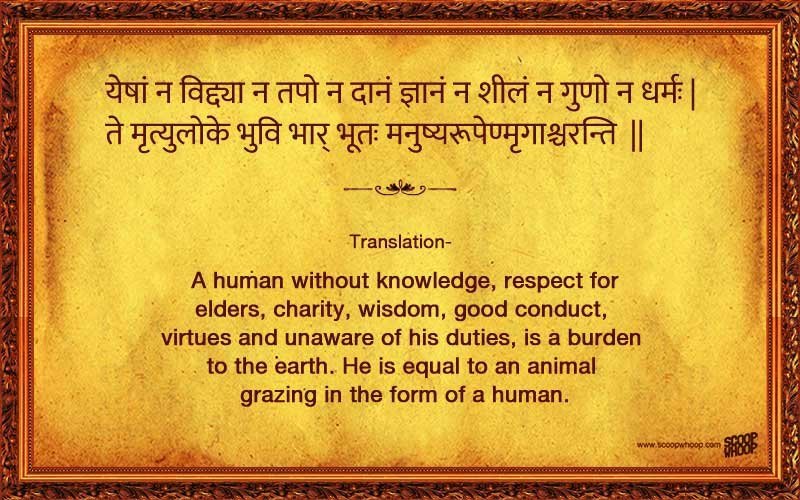
Human and Animal are one and the same. Only exception is knowing and following धर्म।  As per the Sloka:

AhAra-nidrA-bhaya-maithunam cha
samAnam_etat_pashubhir_narANAm |
dharmo hi teShAm adhiko visheSho
dharmeNa hInAH pashubhiH samAnAH||

आहार-निद्रा-भय-मैथुनं च समानमेतत्पशुभिर्नराणाम् ।
धर्मो हि तेषामधिको विशेषो धर्मेण हीनाः पशुभिः समानाः ॥


Meaning: food, sleep, fear and mating, these acts of humans are similar to animals', of them (humans), dharma (right conduct) is the only special thing, without dharma humans are also animals. 

So Human is the only living form to exhibit धर्म .   So if we deduct धर्म  from human being is exactly an animal. This is also not correct as Animal has some instincts through which they follow the nature's rule. They eat when they are hungry, They do not over eat. Have you seen an animal who is sick because of lack of sleep? They even do sex in a particular time/season. Whereas Human who does not follow धर्म, has to follow अधर्म  which are called Monster, Whome levels are lower then Animals.


Now the important thing which we need to understand is धर्म . What is Dharma? As per Manusmruti:

धृति: क्षमा दमोऽस्‍तेयं शौचमिन्‍द्रियनिग्रह:।
धीर्विद्या सत्‍यमक्रोधो दशकं धर्मलक्षणम्‌।। 

अर्थ – धृति (धैर्य ), क्षमा (अपना अपकार करने वाले का भी उपकार करना ), दम (हमेशा संयम से धर्म में लगे रहना ), अस्तेय (चोरी न करना ), शौच ( भीतर और बाहर की पवित्रता ), इन्द्रिय निग्रह (इन्द्रियों को हमेशा धर्माचरण में लगाना ), धी ( सत्कर्मों से बुद्धि को बढ़ाना ), विद्या (यथार्थ ज्ञान लेना ). सत्यम ( हमेशा सत्य का आचरण करना ) और अक्रोध ( क्रोध को छोड़कर हमेशा शांत रहना )।

These are the 10 characteristics which human should exhibit in the process of live to qualify to be a human being. All these attributes can be bucketed under आचार  and विचार.  आचार  and विचार are the 2 medium through which we can become a better human being. 


विचार is a very subtle thing which happens in Intellectual sheath where as आचार   is the  gross form which happens in physical dimension. How softly we talk, how patiently we listen, how well we behave, how sensibly we respond are the measures of आचार .  आचार  is the visible dimension, hence a most care and attention needs to be given to our आचार. 


Ninad or Udghosh